Where the first hours of liberation took shape
In Sainte-Mère-Église, history is not distant: it is felt in streets, names, and stories that still speak across generations.
Table of Contents
Normandy under occupation before D-Day
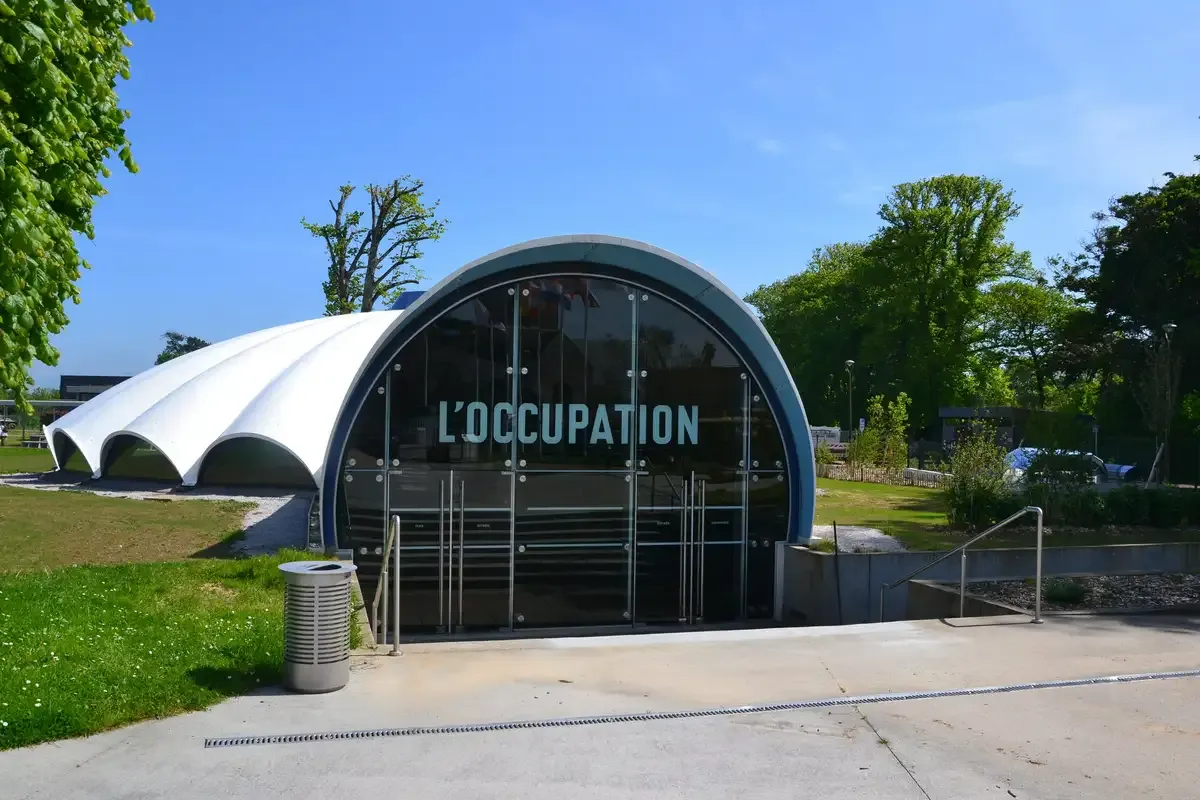
Before Sainte-Mère-Église became famous worldwide, it was a living Norman community enduring the strain of occupation. Daily life was shaped by shortages, curfews, censorship, and uncertainty. Farmers continued working fields, shopkeepers kept doors open when possible, and families tried to protect children from the hardest realities, all while the war’s pressure tightened year after year. In this atmosphere, information traveled in whispers, and hope depended on fragments of radio news, rumors, and the belief that liberation would eventually come.
By 1944, the village stood inside a much larger strategic map. Roads, bridges, and fields that looked ordinary had military value; every junction could affect troop movement, logistics, and communication. For civilians, this meant living in a place that was quietly becoming central to events they could not control. The Airborne Museum helps visitors understand this tension: history was not abstract here—it entered kitchens, barns, church squares, and family routines long before the first Allied paratrooper touched the ground.
Why Sainte-Mère-Église mattered strategically
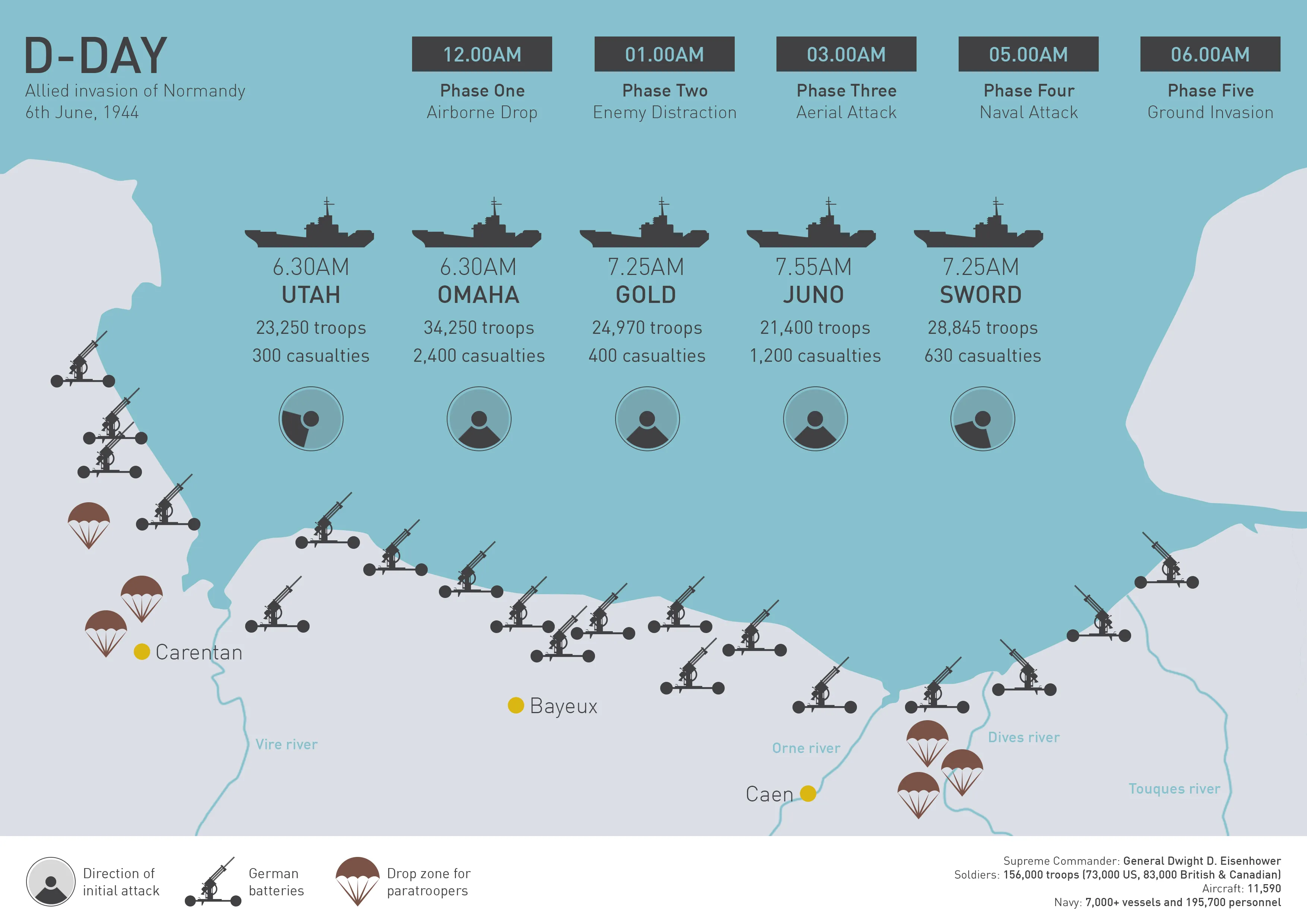
Sainte-Mère-Église was not chosen by chance. Its position near key roads made it crucial for linking inland routes with Utah Beach, one of the Allied landing zones. Commanders understood that holding this area would reduce German counterattack capacity and help troops moving from the beaches push deeper inland. In operational terms, this was about mobility and timing; in human terms, it meant that one village could influence the fate of thousands.
Airborne units were tasked with seizing and securing critical points during the night, often in darkness, under fire, and sometimes after scattered drops far from planned zones. The museum explains how strategic doctrine met battlefield chaos: wind, anti-aircraft fire, terrain confusion, and fragmented communications all complicated execution. Yet despite these obstacles, control of Sainte-Mère-Église became a decisive early success that helped stabilize the broader Normandy operation.
The airborne landings in the night
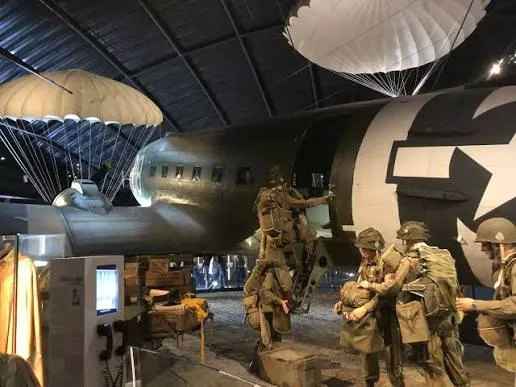
In the early hours of 6 June 1944, American airborne troops jumped into darkness over Normandy. Their mission involved securing crossroads, bridges, and routes to disrupt German response and support beach landings at dawn. The operation was bold and risky: aircraft faced anti-aircraft fire, navigation errors occurred, and many paratroopers landed far from intended zones. Small groups had to improvise quickly, often led by junior officers and non-commissioned leaders making life-or-death decisions on the spot.
The Airborne Museum conveys this reality with unusual clarity. Beyond tactical maps, it emphasizes fatigue, confusion, and resilience. Equipment was heavy, communication unreliable, and landmarks hard to identify at night. Yet mission momentum depended on initiative—on individuals regrouping, adapting, and pressing forward. These stories remind visitors that victory was never guaranteed; it emerged from countless uncertain moments handled with courage and urgency.
John Steele and the church tower legend
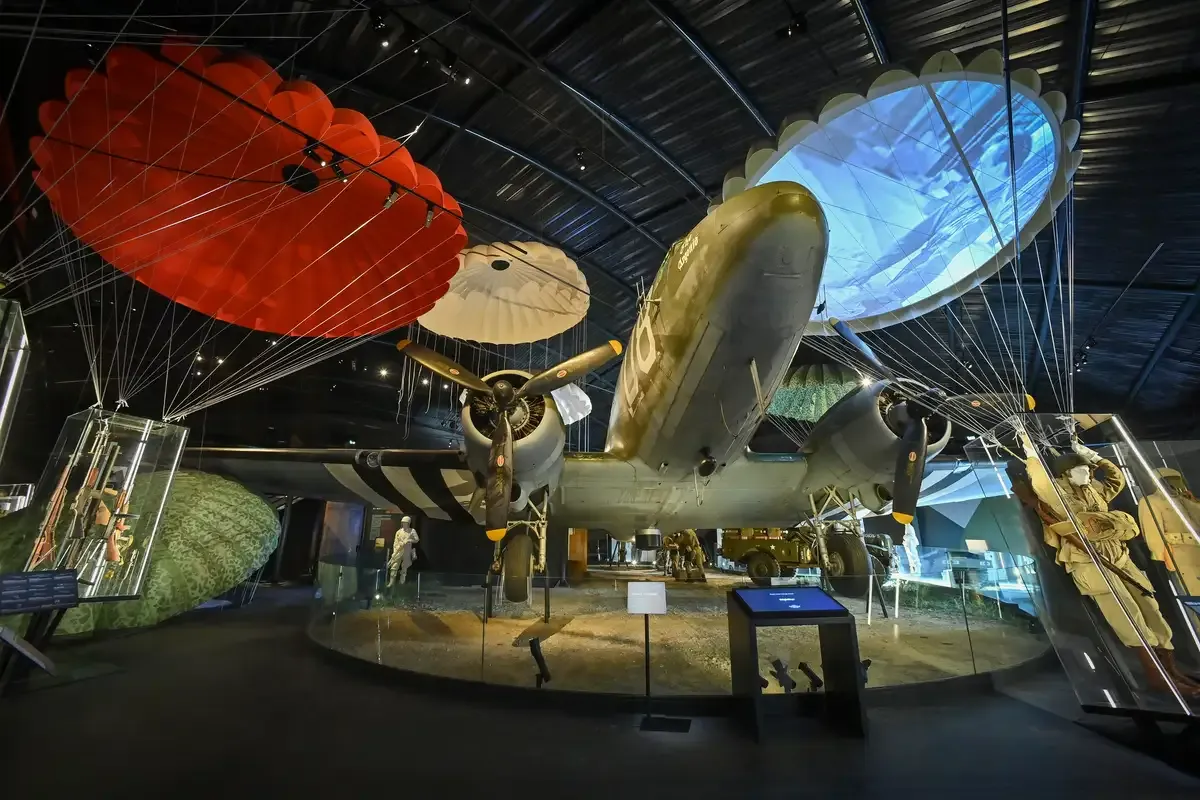
One of the most widely remembered stories from Sainte-Mère-Église is that of paratrooper John Steele, whose parachute became caught on the church tower during the battle. Wounded and exposed, he remained suspended for a period while fighting took place below. The story became symbolic not because it was theatrical, but because it captured the vulnerability and unpredictability of airborne warfare—where chance could shape survival as much as training.
Over time, the image of the parachutist on the church became part of local identity and global memory of D-Day. Visitors still see references to this moment, and it often serves as an entry point for younger generations learning about the conflict. The museum balances legend with context, showing that behind iconic episodes were many parallel acts of bravery and sacrifice, some famous, many anonymous.
Civilians caught in the crossfire
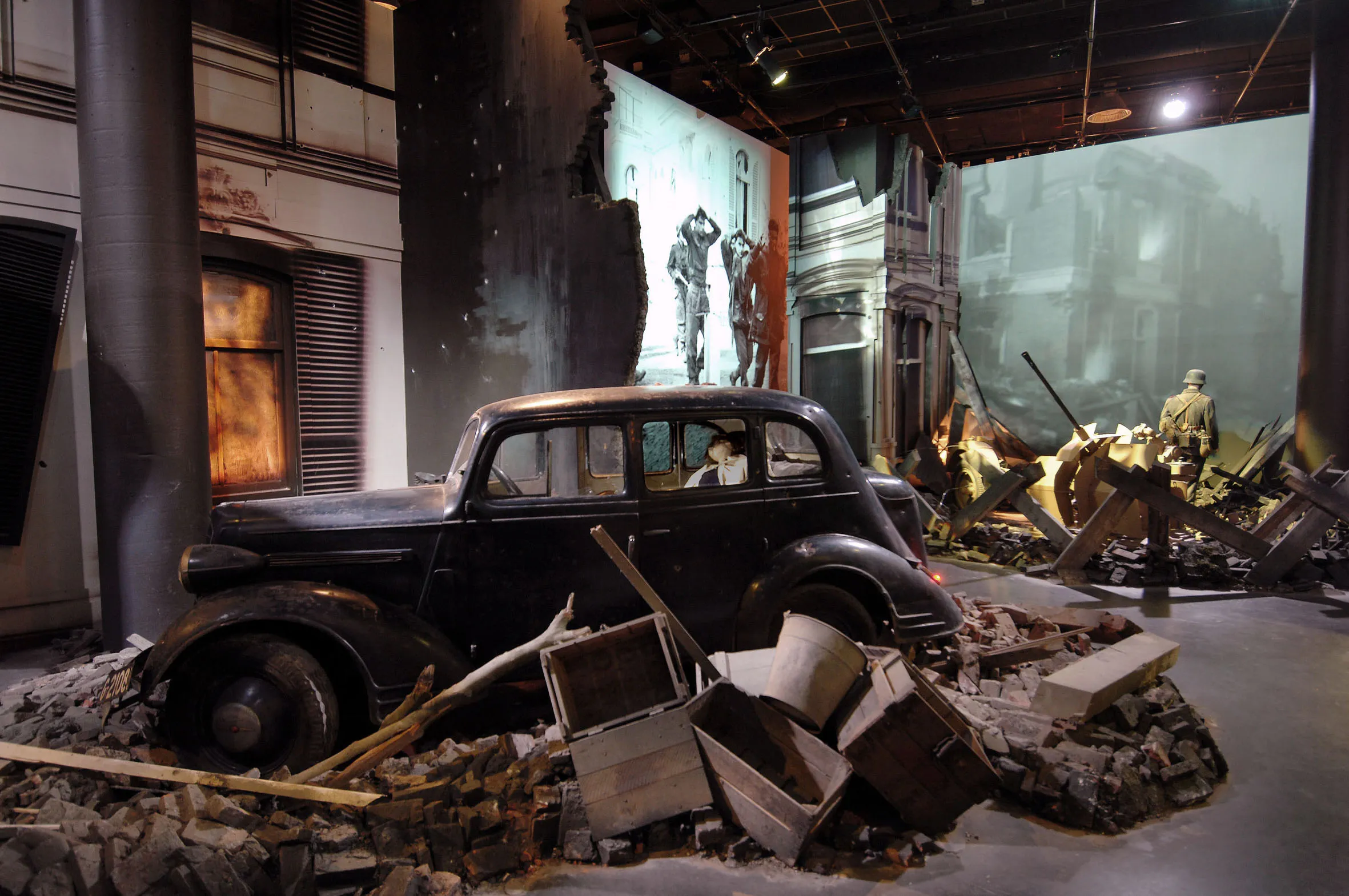
Military histories often focus on divisions and commanders, but in Sainte-Mère-Église civilians were central witnesses and, too often, direct victims. Families sheltered where they could, fires broke out, streets became contested spaces, and ordinary homes were suddenly battle terrain. The museum gives voice to these civilians through testimonies and contextual materials that make clear how liberation was experienced not as a clean narrative, but as a turbulent and frightening passage.
This perspective is one of the museum’s greatest strengths. It does not separate heroism from hardship; it places them side by side. Visitors come to understand that civilian courage took many forms—guiding troops, caring for wounded, protecting children, and preserving dignity amid chaos. Remembering these experiences broadens the meaning of D-Day beyond strategy and helps explain why local memory remains so personal.
Securing roads to Utah Beach
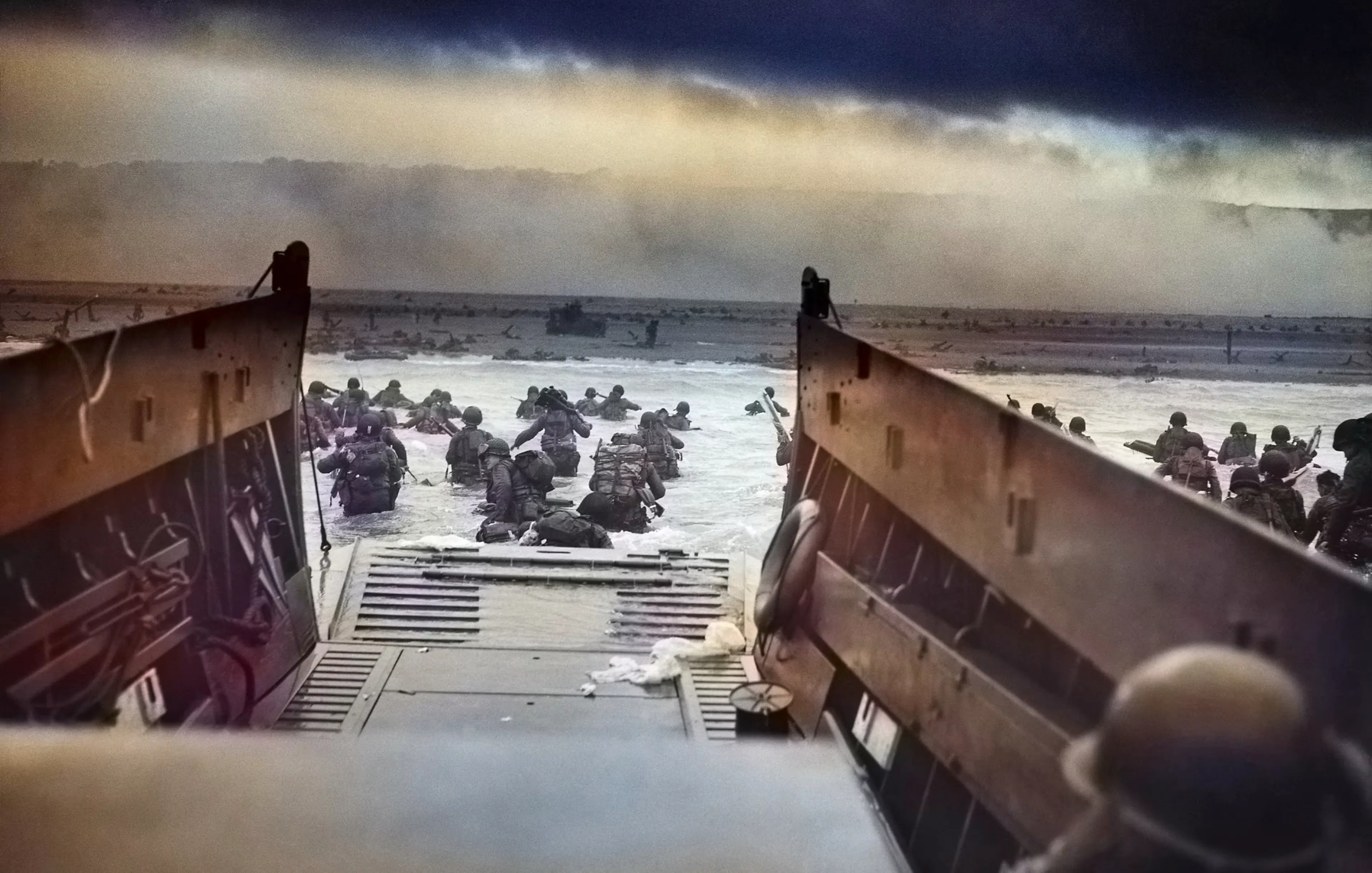
A key objective after the initial landings was linking airborne positions inland with forces arriving at Utah Beach. Roads around Sainte-Mère-Église mattered immensely: they carried reinforcements, medical evacuations, supplies, and command movement. Holding these routes reduced the risk of fragmentation and helped transform isolated successes into coordinated progress.
The museum explains these operational links in a way that remains accessible to non-specialists. Through maps, timelines, and objects from the field, you see how geography, timing, and endurance interacted. What appears today as peaceful countryside was once a dense logistical challenge where control of a crossroads could alter the tempo of an entire sector.
From liberation to the Battle of Normandy
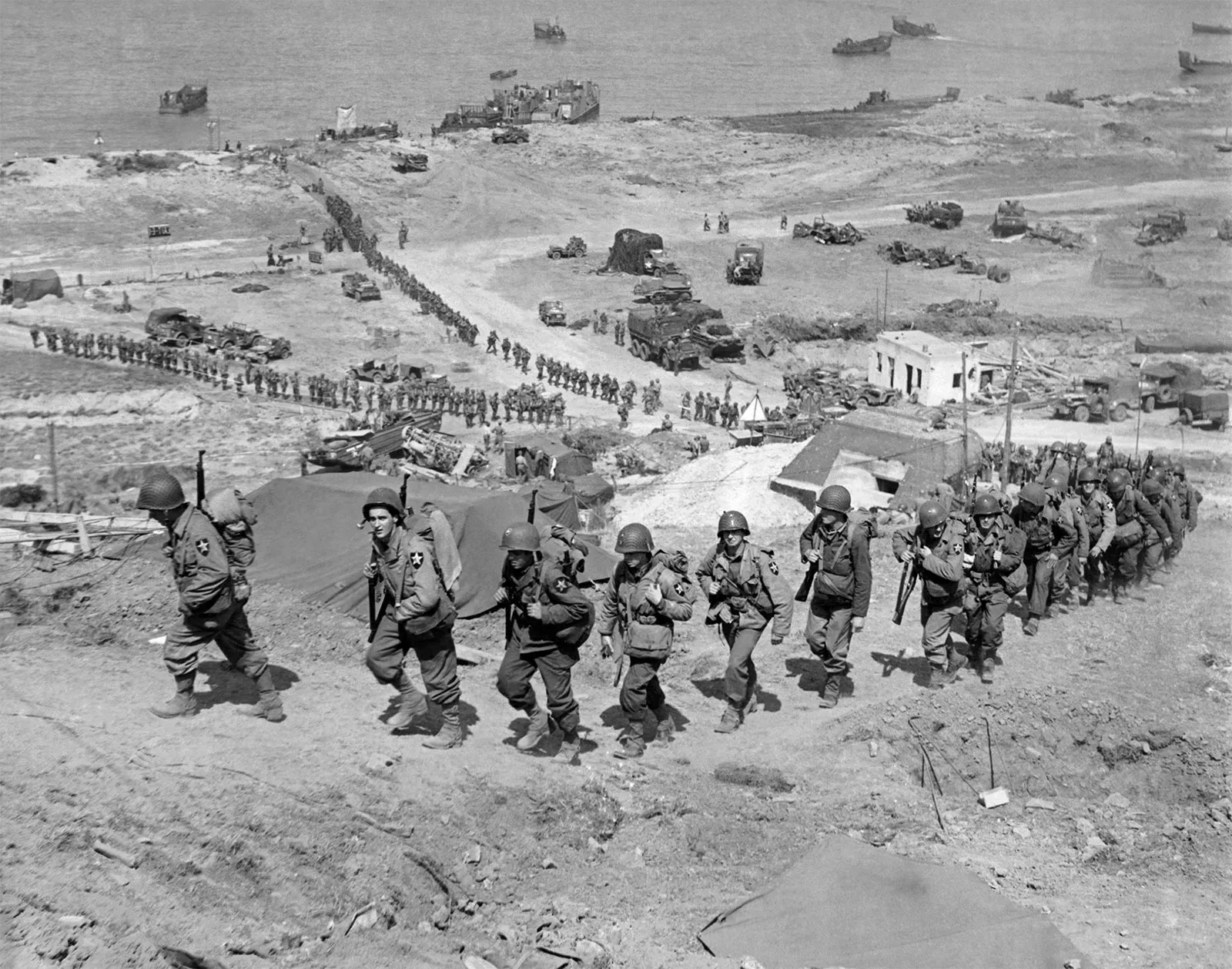
The liberation of Sainte-Mère-Église was historic, but it was only the beginning of a far longer campaign. After 6 June, fighting across Normandy remained intense for weeks, with difficult terrain, strong resistance, and heavy losses on all sides. Units that landed under extreme pressure had to sustain operations under exhausting conditions while strategic goals expanded beyond beachheads.
By placing local events inside this wider timeline, the museum helps visitors avoid a simplified view of D-Day as a single-day conclusion. Instead, it frames the operation as a critical opening phase in a prolonged effort that demanded persistence, adaptation, and enormous sacrifice. This broader lens is essential for understanding the true scale of what followed.
Memory, mourning, and reconstruction
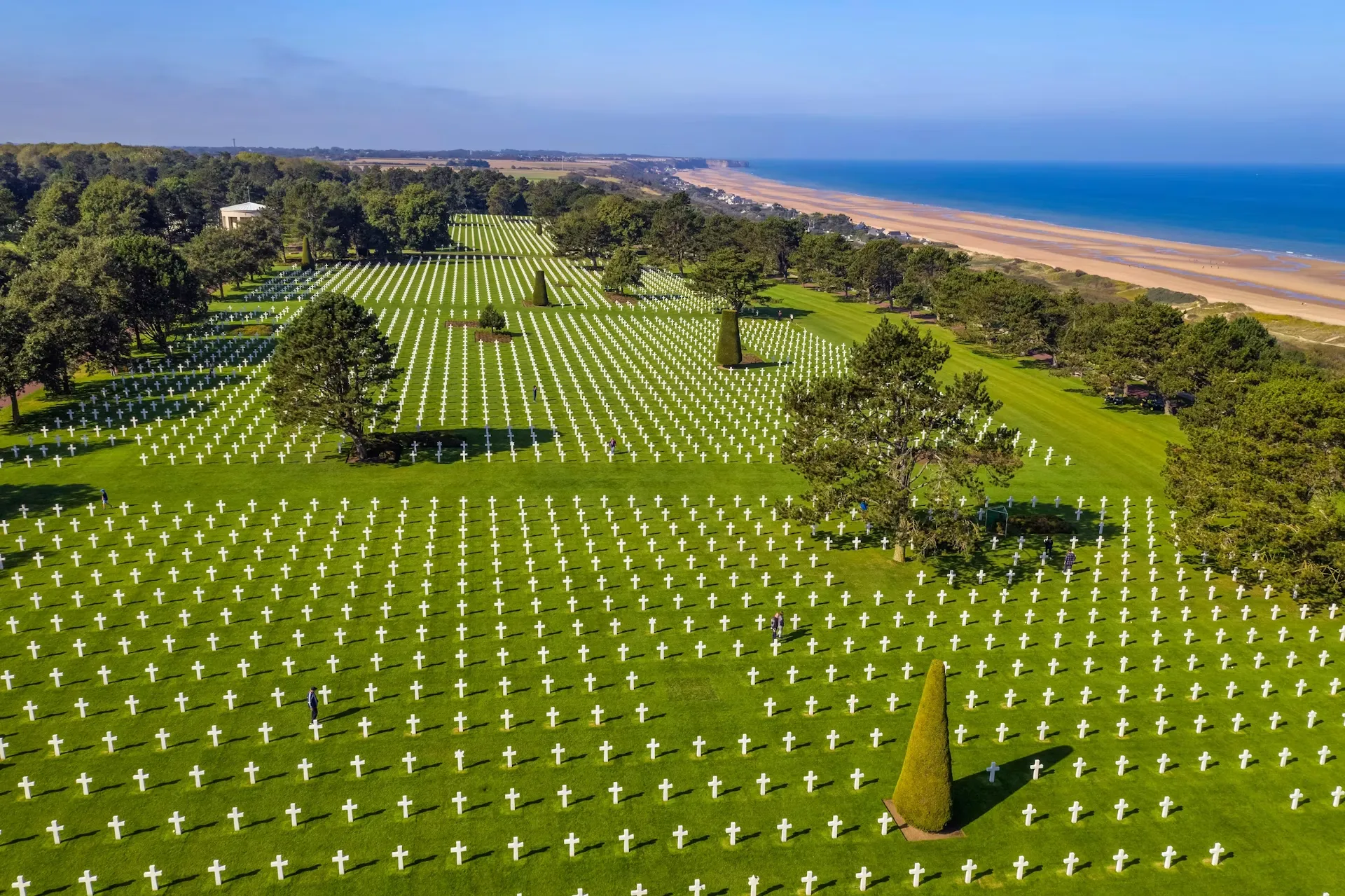
When the guns fell silent, memory work began. Communities across Normandy faced grief, rebuilding, and the difficult task of turning wartime trauma into shared remembrance without losing historical truth. In Sainte-Mère-Église, ceremonies, local archives, veterans’ returns, and intergenerational storytelling all contributed to preserving what happened and why it mattered.
The Airborne Museum stands within this long process of remembrance. It is not only a place of display; it is part of a civic commitment to transmit testimony responsibly. Through curation, educational programs, and careful historical framing, the museum helps ensure that memory remains active and relevant rather than symbolic and distant.
How veterans shaped local remembrance
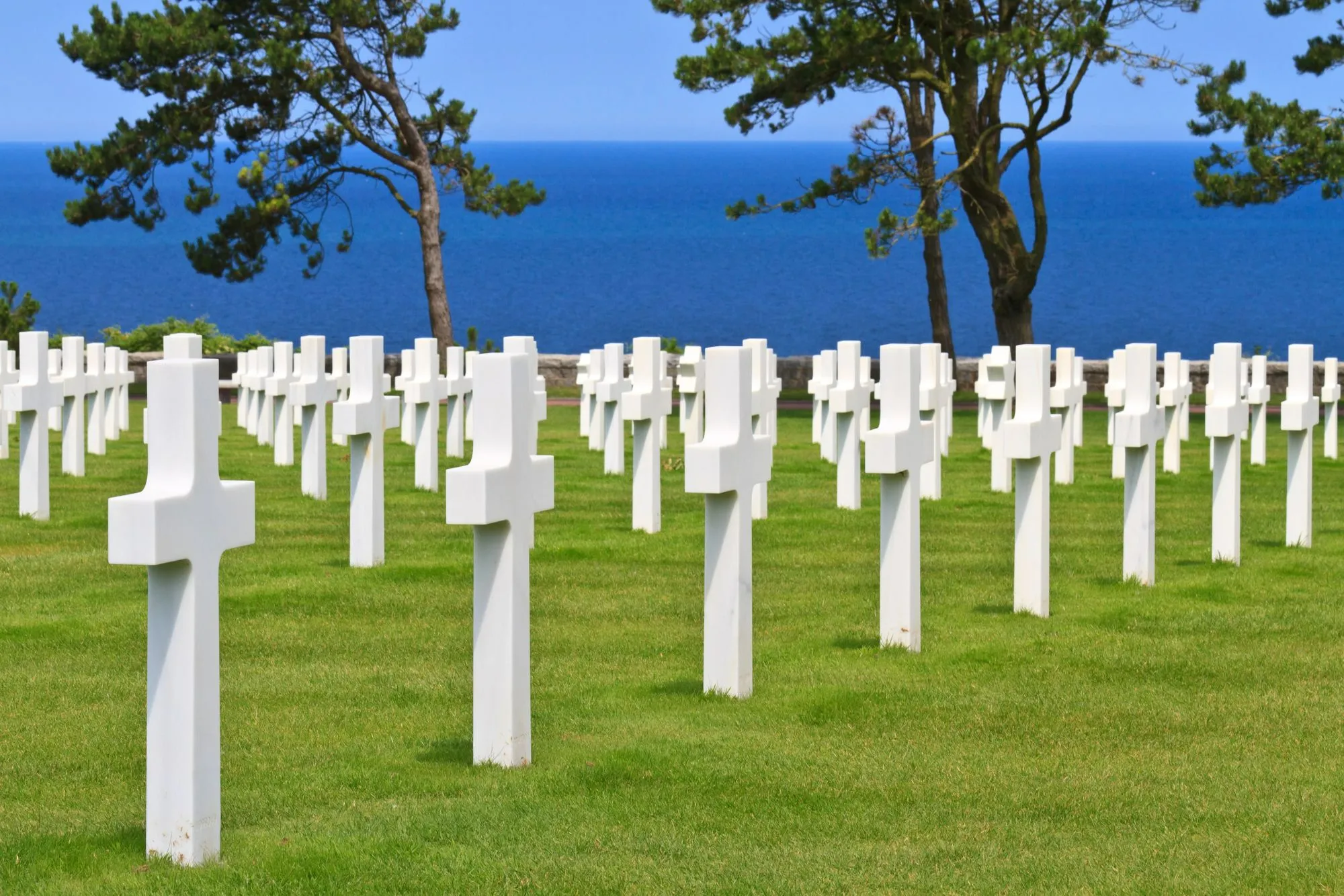
For decades after the war, veterans returned to Normandy, meeting families, schools, and local authorities who had preserved stories from 1944. These visits transformed remembrance into relationships: names became faces, and military records became shared conversations across languages and generations. In Sainte-Mère-Église, this human continuity remains one of the strongest elements of local identity.
The museum reflects that legacy by highlighting personal trajectories alongside major operations. It shows young soldiers before battle, letters sent home, and the long post-war journeys of survivors. This continuity between wartime action and peacetime memory gives visitors a deeper understanding of why commemoration in Normandy is not merely ceremonial—it is relational, educational, and profoundly human.
Birth and evolution of the Airborne Museum
The creation of the Airborne Museum emerged from a clear local conviction: the events of June 1944 had to be preserved with rigor and respect. Over time, the museum expanded from commemorative beginnings into a sophisticated cultural institution, integrating scholarship, conservation, scenography, and visitor education. Its growth mirrors a broader shift in heritage practice—moving from static display toward immersive interpretation rooted in primary sources.
Today, the museum balances emotional storytelling with historical precision. It welcomes families, students, researchers, and veterans’ descendants, each bringing different expectations and questions. This ability to speak to diverse audiences while maintaining factual integrity is one reason it is widely regarded as an essential stop for anyone seeking to understand D-Day beyond headlines and simplified narratives.
Artifacts that preserve fragile memory
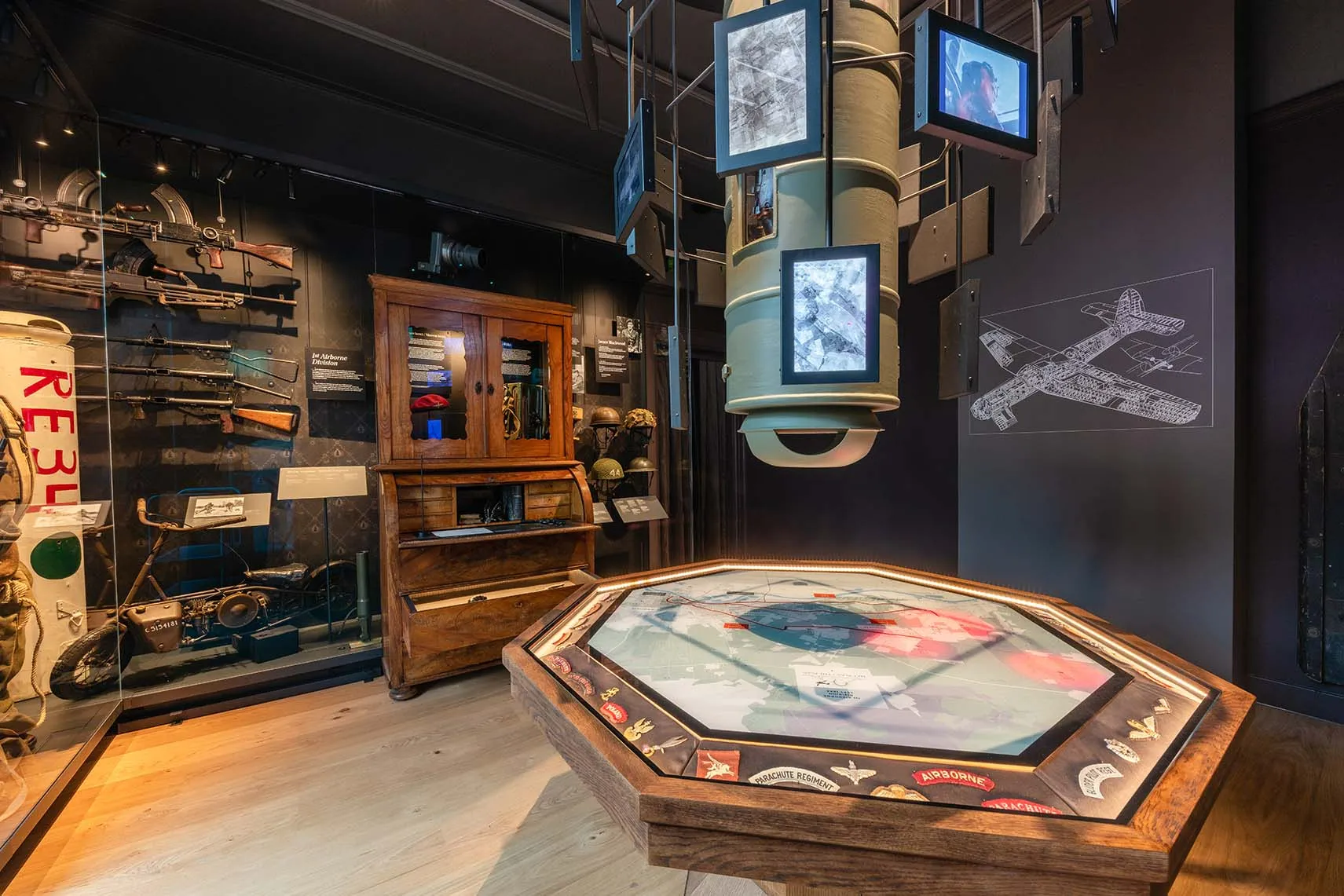
Every artifact in the museum—uniform fragments, equipment pieces, maps, personal papers—carries both evidentiary and emotional weight. Conserving these materials is complex: textiles degrade, metal corrodes, paper fades, and provenance must be continuously verified. Behind each display case lies meticulous work by curators, conservators, and historians who ensure that objects remain interpretable and trustworthy for future generations.
This careful stewardship matters because memory can be fragile, especially as eyewitness generations pass. Objects, when contextualized responsibly, become anchors against forgetting and distortion. The museum’s approach demonstrates that preserving the past is not passive storage; it is active, ongoing scholarship joined with public responsibility.
Planning a meaningful remembrance route
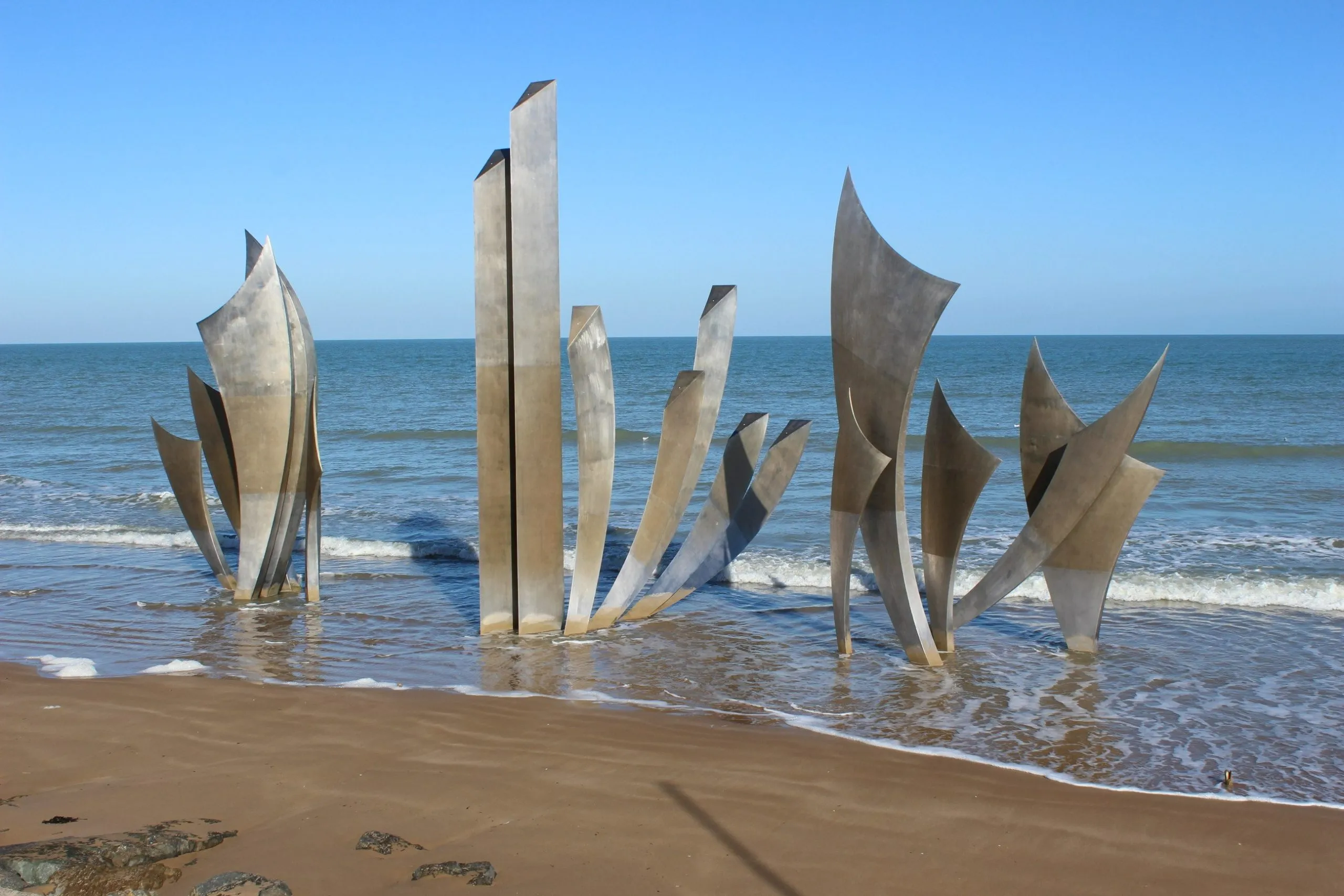
Many visitors begin at the Airborne Museum, then continue to nearby D-Day locations such as Utah Beach, key crossroads, and memorial cemeteries. This sequence works well because it starts with context and personal stories, then extends into landscapes where those events unfolded. Distances are manageable by car, and each stop deepens understanding rather than repeating it.
To keep the day meaningful rather than rushed, choose fewer sites and spend real time at each one. Read names, pause at memorial inscriptions, and allow silence where appropriate. Normandy remembrance travel is most powerful when approached with attention and humility; the museum provides exactly the grounding needed for that kind of journey.
Why this story still matters today
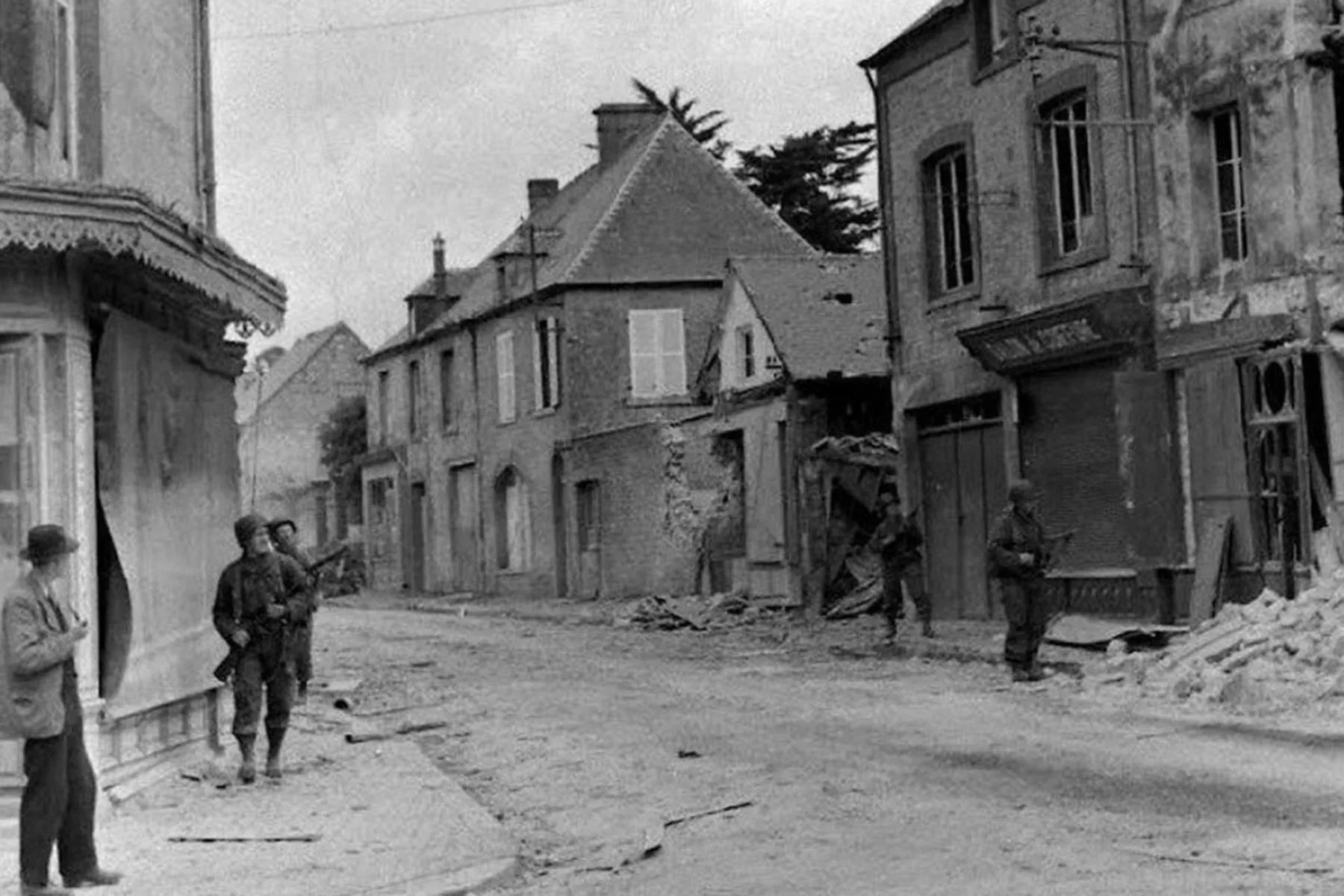
The story told in Sainte-Mère-Église is about military strategy, yes, but it is also about democratic values, civilian endurance, alliance, and moral choice under extreme pressure. In an age when historical memory can be simplified or politicized, places like the Airborne Museum provide grounded, evidence-based narratives that reconnect public conversation to lived experience.
Visitors often leave with more than historical knowledge. They leave with perspective: on how quickly ordinary life can change, on the cost of freedom, and on the importance of preserving testimony while it is still within reach. That is why this museum continues to resonate so strongly—it transforms remembrance from distant commemoration into active civic understanding.
Table of Contents
Normandy under occupation before D-Day
Before Sainte-Mère-Église became famous worldwide, it was a living Norman community enduring the strain of occupation. Daily life was shaped by shortages, curfews, censorship, and uncertainty. Farmers continued working fields, shopkeepers kept doors open when possible, and families tried to protect children from the hardest realities, all while the war’s pressure tightened year after year. In this atmosphere, information traveled in whispers, and hope depended on fragments of radio news, rumors, and the belief that liberation would eventually come.
By 1944, the village stood inside a much larger strategic map. Roads, bridges, and fields that looked ordinary had military value; every junction could affect troop movement, logistics, and communication. For civilians, this meant living in a place that was quietly becoming central to events they could not control. The Airborne Museum helps visitors understand this tension: history was not abstract here—it entered kitchens, barns, church squares, and family routines long before the first Allied paratrooper touched the ground.
Why Sainte-Mère-Église mattered strategically
Sainte-Mère-Église was not chosen by chance. Its position near key roads made it crucial for linking inland routes with Utah Beach, one of the Allied landing zones. Commanders understood that holding this area would reduce German counterattack capacity and help troops moving from the beaches push deeper inland. In operational terms, this was about mobility and timing; in human terms, it meant that one village could influence the fate of thousands.
Airborne units were tasked with seizing and securing critical points during the night, often in darkness, under fire, and sometimes after scattered drops far from planned zones. The museum explains how strategic doctrine met battlefield chaos: wind, anti-aircraft fire, terrain confusion, and fragmented communications all complicated execution. Yet despite these obstacles, control of Sainte-Mère-Église became a decisive early success that helped stabilize the broader Normandy operation.
The airborne landings in the night
In the early hours of 6 June 1944, American airborne troops jumped into darkness over Normandy. Their mission involved securing crossroads, bridges, and routes to disrupt German response and support beach landings at dawn. The operation was bold and risky: aircraft faced anti-aircraft fire, navigation errors occurred, and many paratroopers landed far from intended zones. Small groups had to improvise quickly, often led by junior officers and non-commissioned leaders making life-or-death decisions on the spot.
The Airborne Museum conveys this reality with unusual clarity. Beyond tactical maps, it emphasizes fatigue, confusion, and resilience. Equipment was heavy, communication unreliable, and landmarks hard to identify at night. Yet mission momentum depended on initiative—on individuals regrouping, adapting, and pressing forward. These stories remind visitors that victory was never guaranteed; it emerged from countless uncertain moments handled with courage and urgency.
John Steele and the church tower legend
One of the most widely remembered stories from Sainte-Mère-Église is that of paratrooper John Steele, whose parachute became caught on the church tower during the battle. Wounded and exposed, he remained suspended for a period while fighting took place below. The story became symbolic not because it was theatrical, but because it captured the vulnerability and unpredictability of airborne warfare—where chance could shape survival as much as training.
Over time, the image of the parachutist on the church became part of local identity and global memory of D-Day. Visitors still see references to this moment, and it often serves as an entry point for younger generations learning about the conflict. The museum balances legend with context, showing that behind iconic episodes were many parallel acts of bravery and sacrifice, some famous, many anonymous.
Civilians caught in the crossfire
Military histories often focus on divisions and commanders, but in Sainte-Mère-Église civilians were central witnesses and, too often, direct victims. Families sheltered where they could, fires broke out, streets became contested spaces, and ordinary homes were suddenly battle terrain. The museum gives voice to these civilians through testimonies and contextual materials that make clear how liberation was experienced not as a clean narrative, but as a turbulent and frightening passage.
This perspective is one of the museum’s greatest strengths. It does not separate heroism from hardship; it places them side by side. Visitors come to understand that civilian courage took many forms—guiding troops, caring for wounded, protecting children, and preserving dignity amid chaos. Remembering these experiences broadens the meaning of D-Day beyond strategy and helps explain why local memory remains so personal.
Securing roads to Utah Beach
A key objective after the initial landings was linking airborne positions inland with forces arriving at Utah Beach. Roads around Sainte-Mère-Église mattered immensely: they carried reinforcements, medical evacuations, supplies, and command movement. Holding these routes reduced the risk of fragmentation and helped transform isolated successes into coordinated progress.
The museum explains these operational links in a way that remains accessible to non-specialists. Through maps, timelines, and objects from the field, you see how geography, timing, and endurance interacted. What appears today as peaceful countryside was once a dense logistical challenge where control of a crossroads could alter the tempo of an entire sector.
From liberation to the Battle of Normandy
The liberation of Sainte-Mère-Église was historic, but it was only the beginning of a far longer campaign. After 6 June, fighting across Normandy remained intense for weeks, with difficult terrain, strong resistance, and heavy losses on all sides. Units that landed under extreme pressure had to sustain operations under exhausting conditions while strategic goals expanded beyond beachheads.
By placing local events inside this wider timeline, the museum helps visitors avoid a simplified view of D-Day as a single-day conclusion. Instead, it frames the operation as a critical opening phase in a prolonged effort that demanded persistence, adaptation, and enormous sacrifice. This broader lens is essential for understanding the true scale of what followed.
Memory, mourning, and reconstruction
When the guns fell silent, memory work began. Communities across Normandy faced grief, rebuilding, and the difficult task of turning wartime trauma into shared remembrance without losing historical truth. In Sainte-Mère-Église, ceremonies, local archives, veterans’ returns, and intergenerational storytelling all contributed to preserving what happened and why it mattered.
The Airborne Museum stands within this long process of remembrance. It is not only a place of display; it is part of a civic commitment to transmit testimony responsibly. Through curation, educational programs, and careful historical framing, the museum helps ensure that memory remains active and relevant rather than symbolic and distant.
How veterans shaped local remembrance
For decades after the war, veterans returned to Normandy, meeting families, schools, and local authorities who had preserved stories from 1944. These visits transformed remembrance into relationships: names became faces, and military records became shared conversations across languages and generations. In Sainte-Mère-Église, this human continuity remains one of the strongest elements of local identity.
The museum reflects that legacy by highlighting personal trajectories alongside major operations. It shows young soldiers before battle, letters sent home, and the long post-war journeys of survivors. This continuity between wartime action and peacetime memory gives visitors a deeper understanding of why commemoration in Normandy is not merely ceremonial—it is relational, educational, and profoundly human.
Birth and evolution of the Airborne Museum
The creation of the Airborne Museum emerged from a clear local conviction: the events of June 1944 had to be preserved with rigor and respect. Over time, the museum expanded from commemorative beginnings into a sophisticated cultural institution, integrating scholarship, conservation, scenography, and visitor education. Its growth mirrors a broader shift in heritage practice—moving from static display toward immersive interpretation rooted in primary sources.
Today, the museum balances emotional storytelling with historical precision. It welcomes families, students, researchers, and veterans’ descendants, each bringing different expectations and questions. This ability to speak to diverse audiences while maintaining factual integrity is one reason it is widely regarded as an essential stop for anyone seeking to understand D-Day beyond headlines and simplified narratives.
Artifacts that preserve fragile memory
Every artifact in the museum—uniform fragments, equipment pieces, maps, personal papers—carries both evidentiary and emotional weight. Conserving these materials is complex: textiles degrade, metal corrodes, paper fades, and provenance must be continuously verified. Behind each display case lies meticulous work by curators, conservators, and historians who ensure that objects remain interpretable and trustworthy for future generations.
This careful stewardship matters because memory can be fragile, especially as eyewitness generations pass. Objects, when contextualized responsibly, become anchors against forgetting and distortion. The museum’s approach demonstrates that preserving the past is not passive storage; it is active, ongoing scholarship joined with public responsibility.
Planning a meaningful remembrance route
Many visitors begin at the Airborne Museum, then continue to nearby D-Day locations such as Utah Beach, key crossroads, and memorial cemeteries. This sequence works well because it starts with context and personal stories, then extends into landscapes where those events unfolded. Distances are manageable by car, and each stop deepens understanding rather than repeating it.
To keep the day meaningful rather than rushed, choose fewer sites and spend real time at each one. Read names, pause at memorial inscriptions, and allow silence where appropriate. Normandy remembrance travel is most powerful when approached with attention and humility; the museum provides exactly the grounding needed for that kind of journey.
Why this story still matters today
The story told in Sainte-Mère-Église is about military strategy, yes, but it is also about democratic values, civilian endurance, alliance, and moral choice under extreme pressure. In an age when historical memory can be simplified or politicized, places like the Airborne Museum provide grounded, evidence-based narratives that reconnect public conversation to lived experience.
Visitors often leave with more than historical knowledge. They leave with perspective: on how quickly ordinary life can change, on the cost of freedom, and on the importance of preserving testimony while it is still within reach. That is why this museum continues to resonate so strongly—it transforms remembrance from distant commemoration into active civic understanding.