Airborne Museum tickets and visitor passes
Compare ticket choices and plan a visit that gives you enough time to absorb the exhibitions and nearby D-Day landmarks.
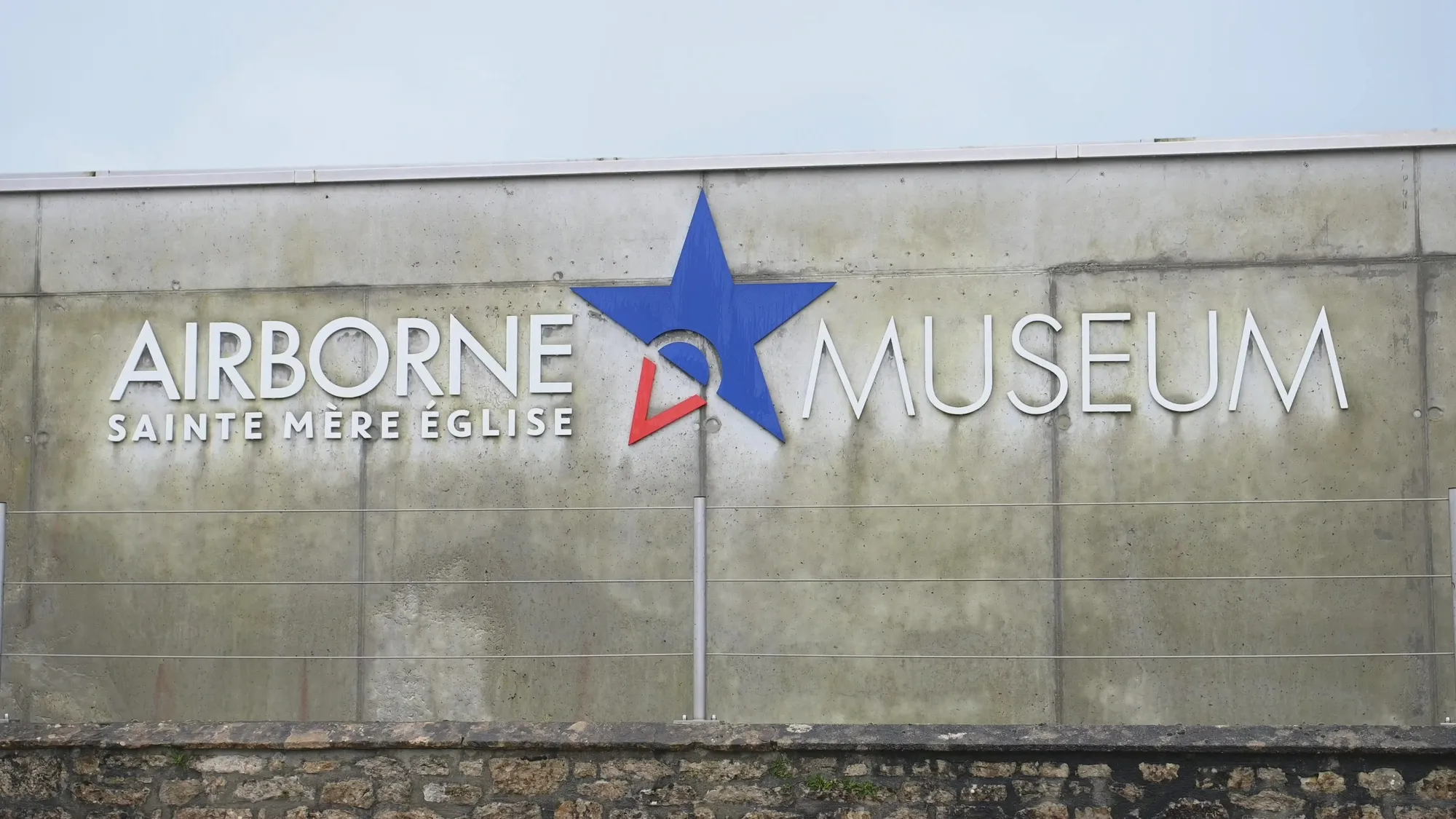
About the Airborne Museum in Sainte-Mère-Église
The Airborne Museum offers one of the clearest and most engaging introductions to the airborne phase of D-Day, combining military context with personal human stories.
A standard ticket usually grants access to the main permanent exhibitions, where you can follow the chronology of the operation and explore key artifacts from the landings.
Depending on the period, temporary exhibitions or special programming may be available, adding deeper perspectives on specific units, individuals, or moments of the campaign.
If you like to read every panel and watch immersive media fully, plan generous time—this is a museum where details matter, and the emotional impact grows when you move slowly.
Many visitors combine the museum with a broader Normandy route including Utah Beach, local memorials, and military cemeteries, creating a full day that is reflective, educational, and unforgettable.
Visit Options
Pick the ticket option that matches your day
Visit Options
Pick the ticket option that matches your day
Airborne Museum: Entry Ticket + Audio Guide
Step into D-Day history with full museum access and an audio guide that makes every story easy to follow.
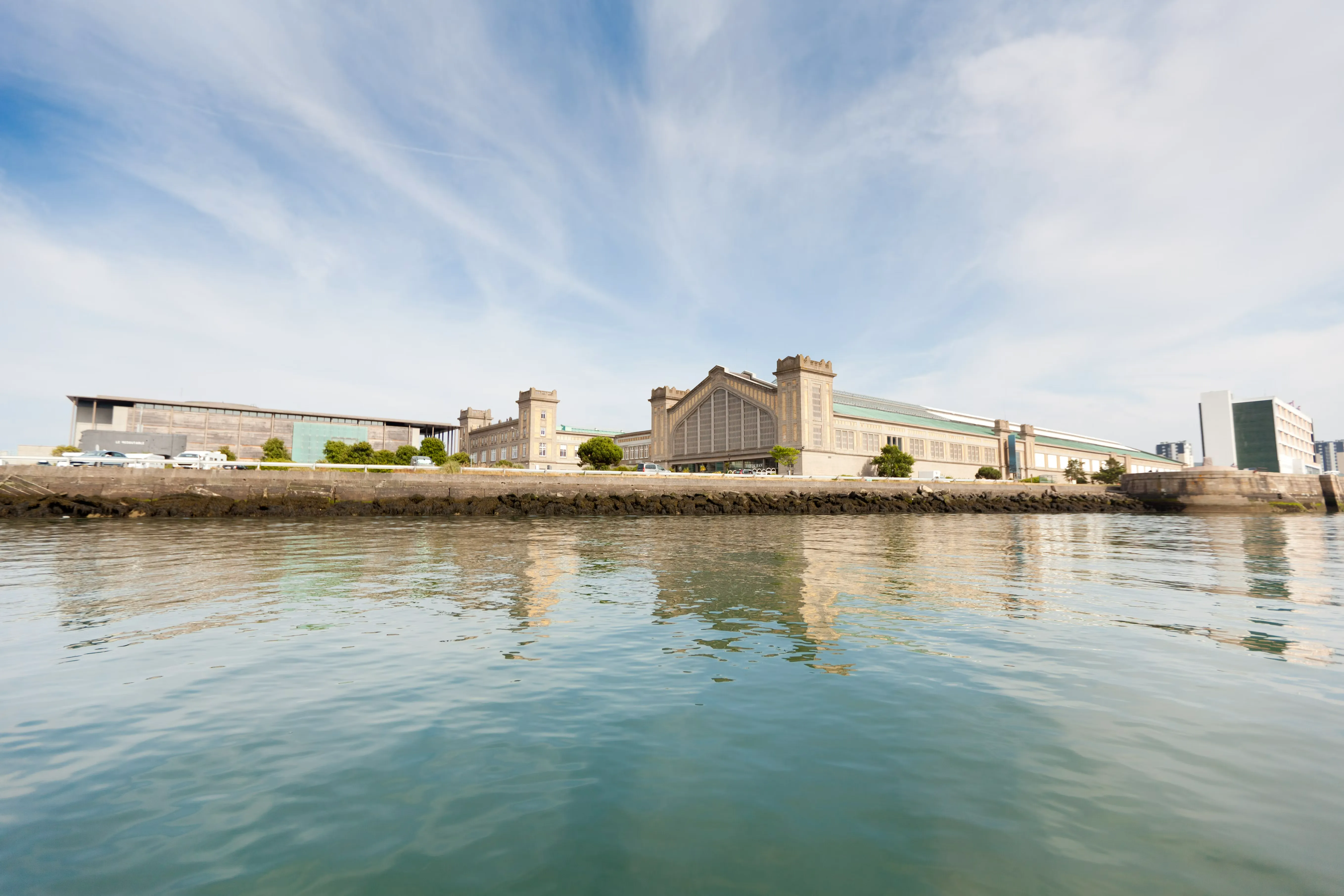
Airborne Museum + La Cité de la Mer: Entry Ticket
Mix D-Day stories with deep-sea discovery in this fun combo: Airborne Museum plus La Cité de la Mer.
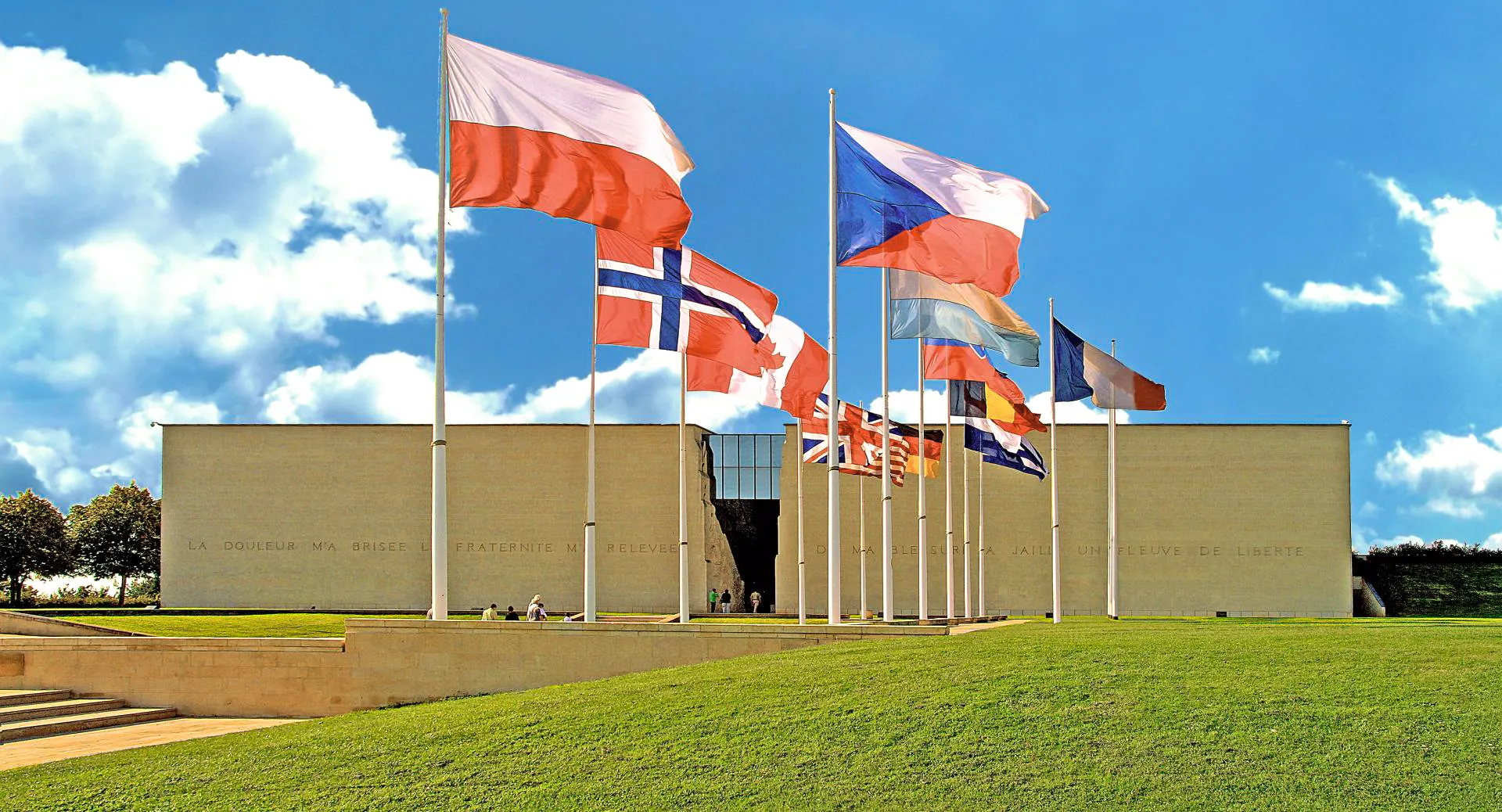
Airborne Museum + Caen Memorial
Double up on Normandy history with one combo ticket: Airborne Museum and the powerful Caen Memorial.
Mont Saint-Michel Abbey: Entry Ticket + Airborne Museum
Pair a visit to the iconic abbey with Airborne Museum for a rich mix of medieval wonder and WWII history.

Why book online?
Booking online gives you peace of mind: you can choose your date, organize your Normandy route, and avoid uncertainty on busy days.
It also helps you coordinate nearby visits—such as Utah Beach or memorial stops—so your day flows naturally instead of being interrupted by ticket queues.
With digital confirmation on your phone, entry is generally smoother, leaving you more time for what matters most: taking in the stories, artifacts, and atmosphere.
What to expect during your museum visit
A visit to the Airborne Museum is not just informative—it is emotionally resonant. Here is what your experience may feel like from start to finish:
You may begin in a quiet, modern gallery where the context of June 1944 is introduced with maps, photographs, and firsthand accounts. As you move deeper into the exhibition, the narrative becomes more intimate: letters written before the jump, fragments of equipment carried into the night, and testimonies that reveal what fear, duty, and uncertainty looked like for very young men crossing into occupied France. The immersive spaces are thoughtfully designed, and many visitors find themselves slowing down naturally, reading more carefully than they expected.
After the core exhibitions, stepping back into Sainte-Mère-Église adds another layer of meaning. The village is peaceful today, yet everywhere you sense memory—at the church, in memorial plaques, and in the names visitors still speak with respect. Many people leave with a mixture of gratitude and reflection: gratitude for liberation, and reflection on the human cost behind every strategic decision. It is one of those rare cultural visits that stays with you long after the day ends.
Location & Opening Hours
- Sainte-Mère-Église, Manche, Normandy, France
- From Sainte-Mère-Église church: the museum is a short, easy walk from the village center and clearly signposted for visitors.
- From Utah Beach area: drive inland toward Sainte-Mère-Église and follow local signs to the museum and village parking areas.
- Visiting timetable
- Booking online before your arrival is strongly recommended during peak season and around D-Day commemorations, when demand increases quickly.
- Press Contact Us in the footer
The museum sits in central Sainte-Mère-Église, close to memorial points, restaurants, and other places of remembrance that can be visited on foot.
Airborne Museum: frequently asked questions
Most tickets can be booked securely online; terms for changes or cancellations depend on provider and season, so always review conditions carefully before confirming.
BOOK NOW
Selmo Rosato
This guide was written to help visitors approach the Airborne Museum with context, sensitivity, and practical confidence—so your time in Sainte-Mère-Église feels both well organized and genuinely meaningful.
Cancellation Policy
Cancellation and change conditions vary by seller and ticket type, though many offers include flexible options if you adjust plans early.
Group Discounts
Schools, educational groups, and larger parties may have access to dedicated rates or structured visit formats; contact official channels in advance to discuss availability.
Important Booking Information
Commemorative periods in Normandy can be very busy, so reserve early and build buffer time into your day if you plan multiple sites.
Wear comfortable shoes and bring a light layer—the museum is indoors, but village exploration and nearby stops often involve time outdoors.
Carry water and keep your phone charged if you rely on digital tickets, maps, or audio materials.
Allow unhurried time for the final galleries—many visitors find the closing sections especially powerful and worth experiencing slowly.